




Sale!
BEST SELLERS
Original price was: $24.99.$9.50Current price is: $9.50.
Sale!
BEST SELLERS
Original price was: $16.99.$3.00Current price is: $3.00.
Sale!
BEST SELLERS
Original price was: $19.99.$3.00Current price is: $3.00.
Sale!

BEST SELLERS
Original price was: $22.99.$3.00Current price is: $3.00.
Sale!
BEST SELLERS
$3.00
Sale!
BEST SELLERS
Original price was: $19.99.$3.00Current price is: $3.00.
Sale!
BEST SELLERS
Original price was: $22.99.$3.00Current price is: $3.00.
Sale!

BEST SELLERS
Original price was: $19.99.$3.00Current price is: $3.00.
Sale!
BEST SELLERS
Original price was: $19.99.$3.00Current price is: $3.00.
Sale!
BEST SELLERS
Original price was: $16.99.$3.00Current price is: $3.00.
Sale!

BEST SELLERS
Original price was: $8.99.$4.50Current price is: $4.50.
Sale!
BEST SELLERS
Original price was: $12.99.$3.50Current price is: $3.50.
Sale!
BEST SELLERS
Original price was: $11.99.$3.00Current price is: $3.00.
Sale!
BEST SELLERS
Original price was: $20.99.$3.00Current price is: $3.00.
Sale!
BEST SELLERS
Original price was: $22.99.$3.00Current price is: $3.00.
Sale!
BEST SELLERS
Original price was: $22.99.$3.00Current price is: $3.00.
Sale!
BEST SELLERS
Price range: $2.50 through $4.00
Sale!
BEST SELLERS
Original price was: $16.99.$3.00Current price is: $3.00.
Sale!
BEST SELLERS
$3.00
Sale!
BEST SELLERS
Original price was: $16.99.$3.00Current price is: $3.00.
Sale!
BEST SELLERS
$3.00
Sale!
BEST SELLERS
Original price was: $20.99.$3.00Current price is: $3.00.
Sale!

BEST SELLERS
Original price was: $19.99.$3.00Current price is: $3.00.
Sale!
BEST SELLERS
Original price was: $22.99.$3.00Current price is: $3.00.
SHOP BY CATEGORY
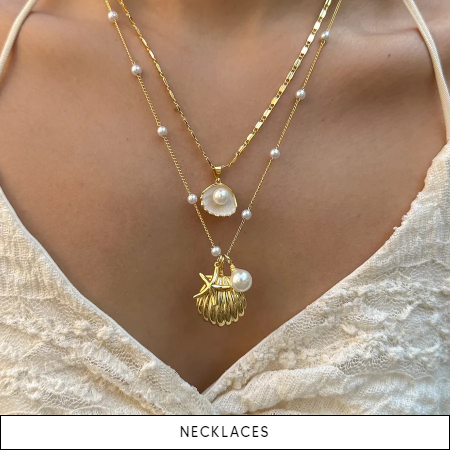
NECKLACES
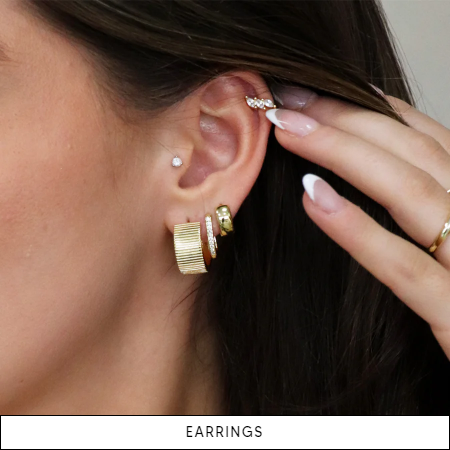
EARRINGS
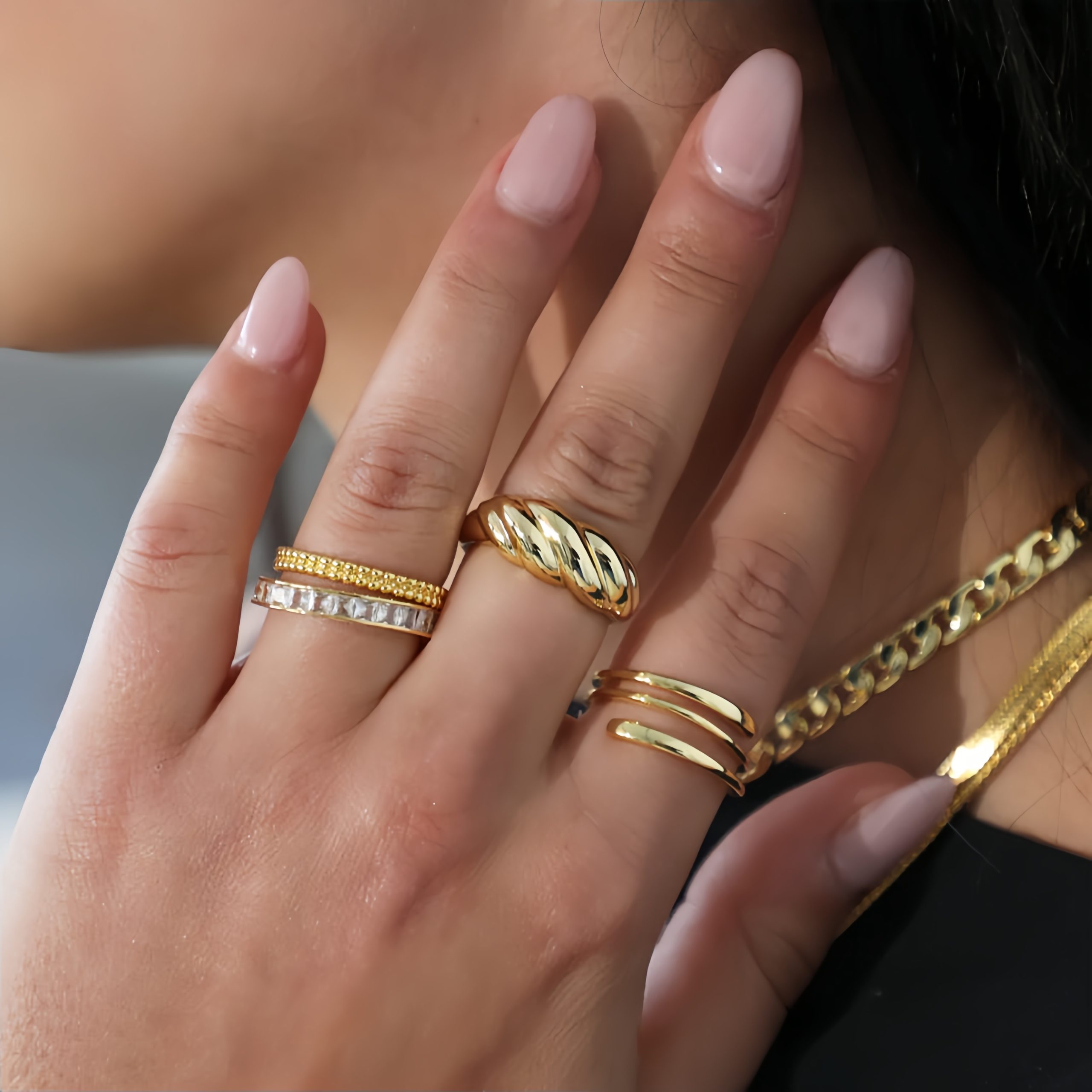
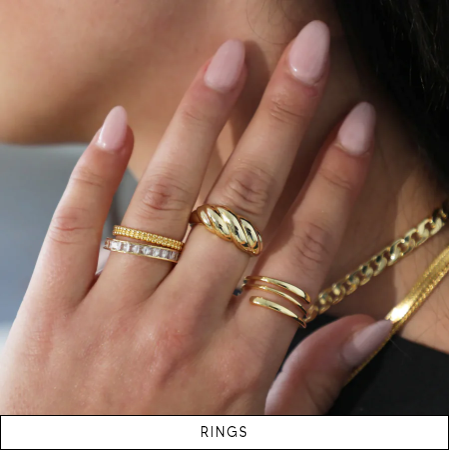
RINGS
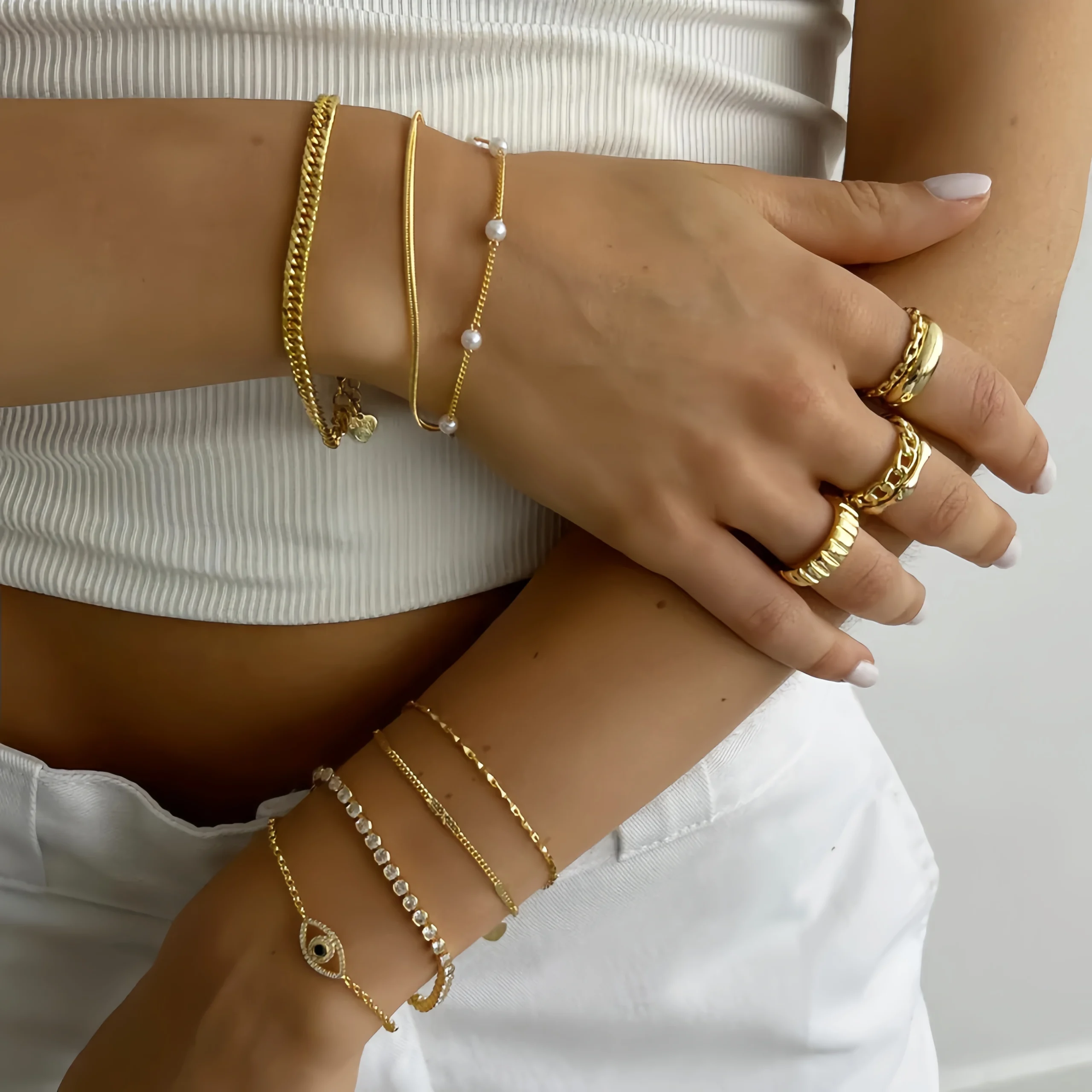
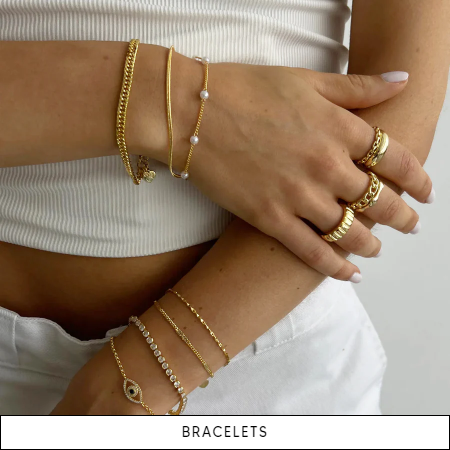
BRACELETS
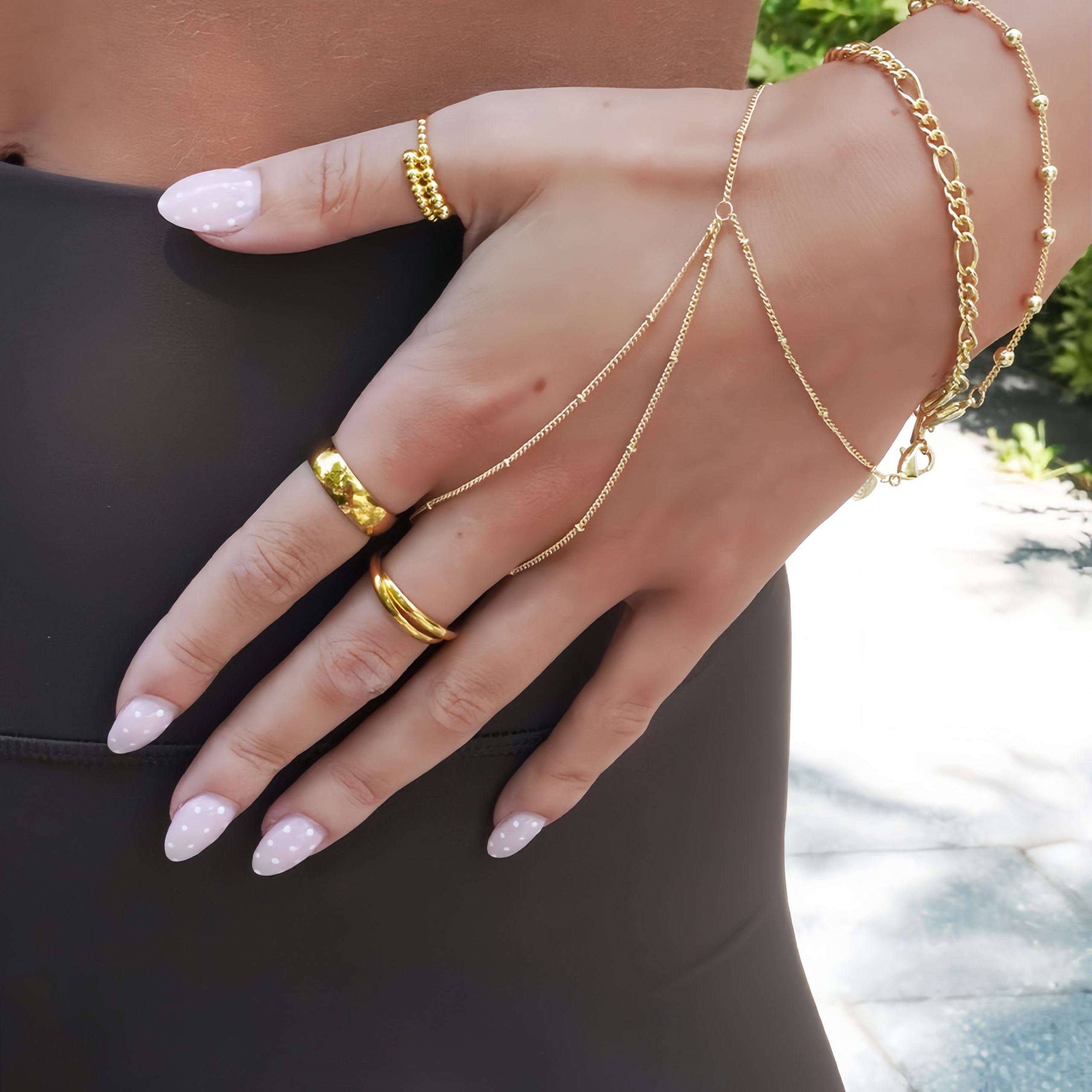
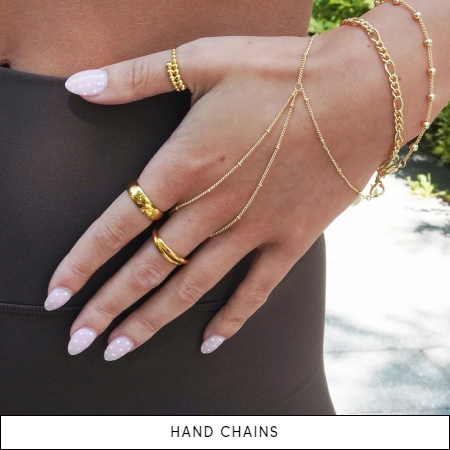
HAND CHAINS

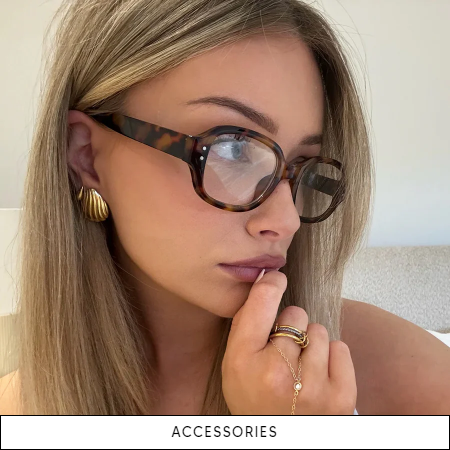
ACCESSORIES
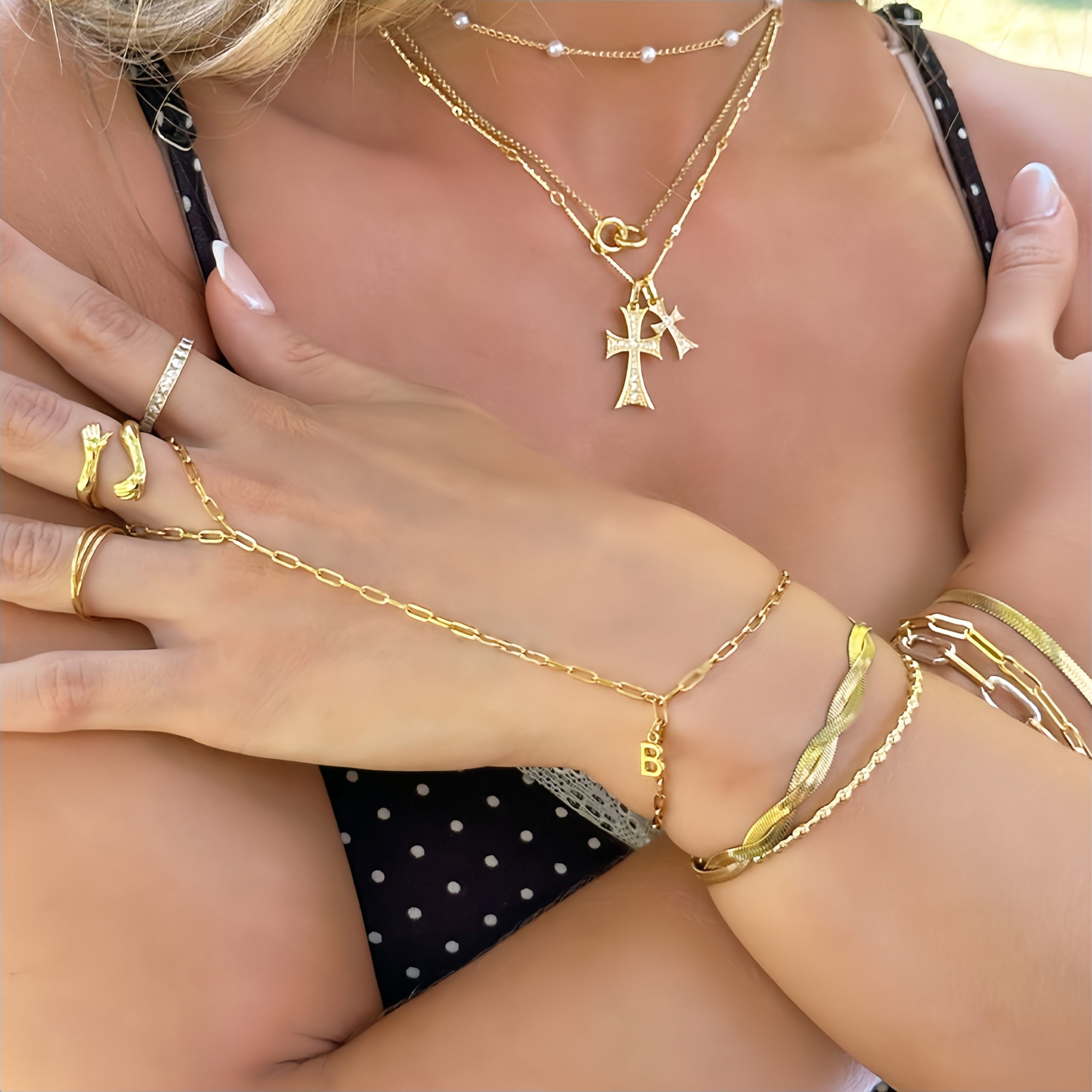
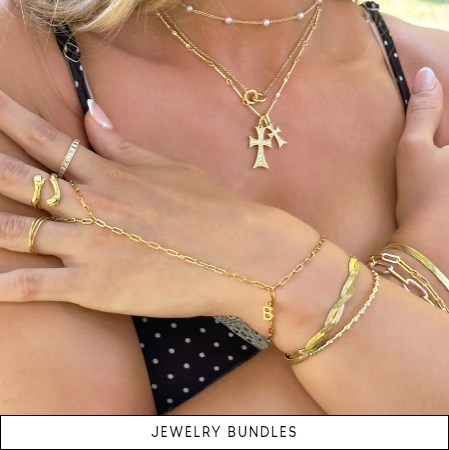
JEWELRY BUNDLES
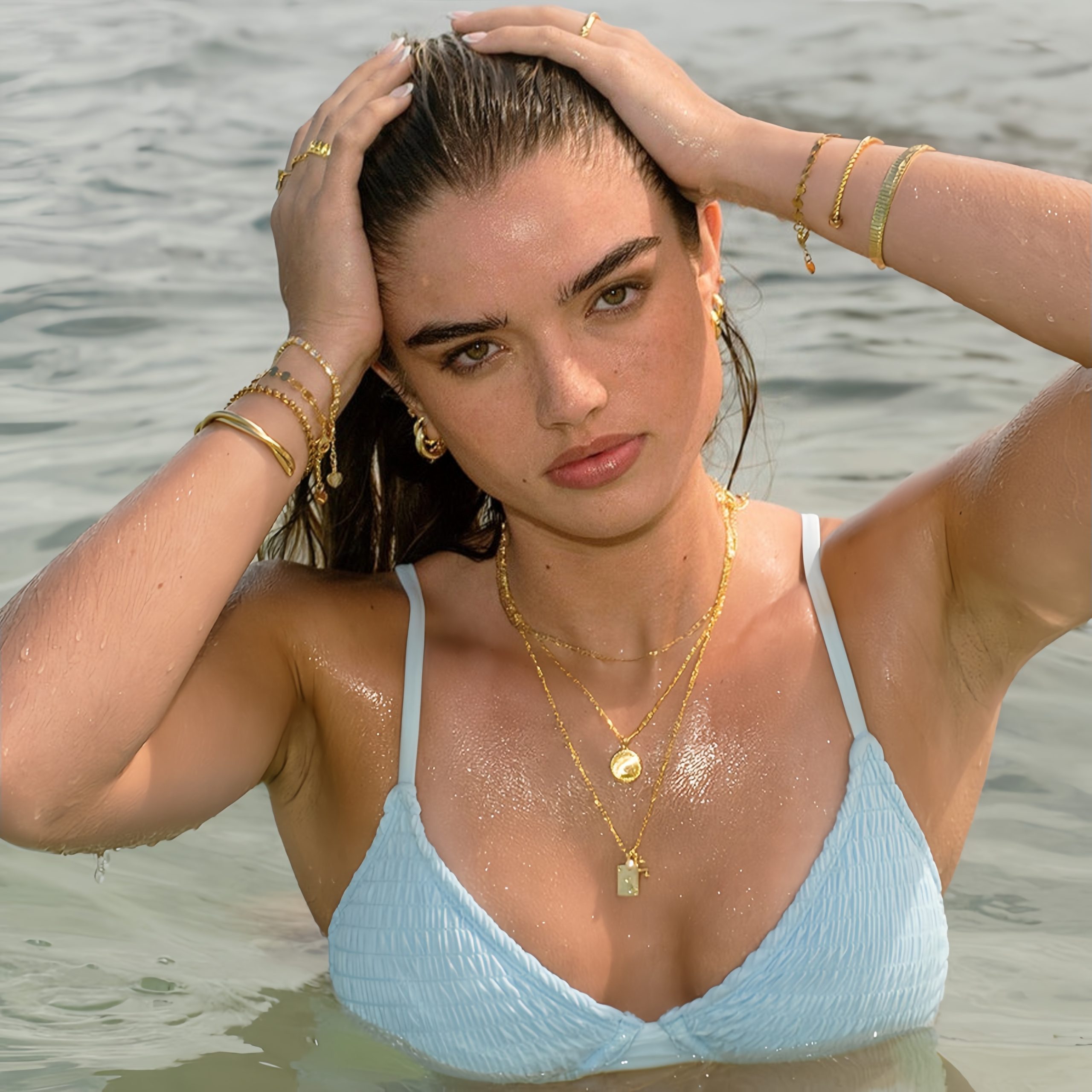
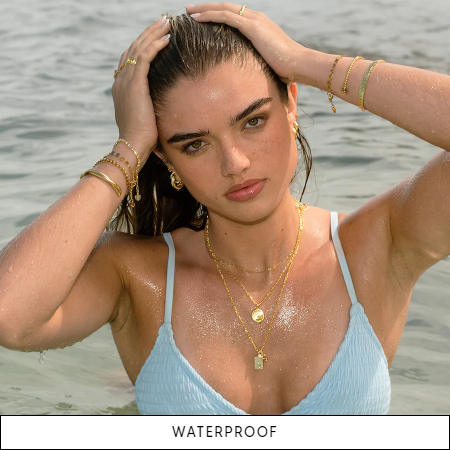
WATERPROOF
Shop The Latest Drop
Sale!
EVRY DEALS
Price range: $2.00 through $3.00
Sale!
BEST SELLERS
Original price was: $16.99.$3.00Current price is: $3.00.
Sale!
BEST SELLERS
Original price was: $16.99.$3.00Current price is: $3.00.
Sale!
BEST SELLERS
Original price was: $19.99.$3.00Current price is: $3.00.
Sale!
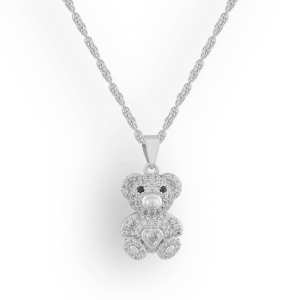
BEST SELLERS
Original price was: $19.99.$7.50Current price is: $7.50.
Sale!
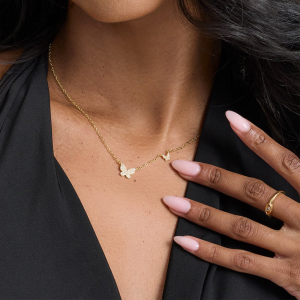
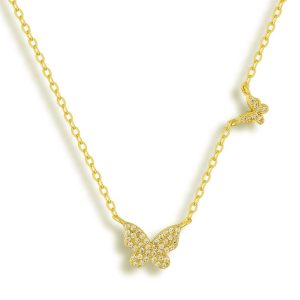
BEST SELLERS
Original price was: $19.99.$3.00Current price is: $3.00.
Sale!
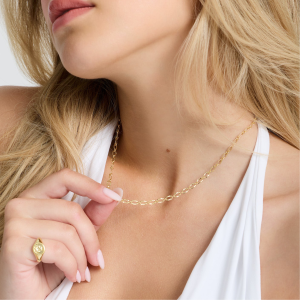
BEST SELLERS
Original price was: $19.99.$3.00Current price is: $3.00.
Sale!
BEST SELLERS
Original price was: $22.99.$3.00Current price is: $3.00.
Sale!
BEST SELLERS
Original price was: $19.99.$3.00Current price is: $3.00.
Sale!
BEST SELLERS
Original price was: $19.99.$3.00Current price is: $3.00.


Accessories and the Semiotics of Personal Style
Small accessories and ornaments play a crucial, often underestimated, role in the semiotics of personal style. They function as subtle, yet powerful, modifiers of appearance, providing the finishing touches that articulate one’s identity, mood, and aesthetic philosophy. These objects are not merely complementary to clothing; they are communicative tools that add layers of meaning, transforming an outfit into a statement.
The strategic use of accessories allows for immediate visual storytelling. A collection of diverse, intentionally mismatched wrist adornments, for instance, might signal a spirit of bohemian freedom and global engagement. Conversely, the choice of a single, geometrically perfect piece of neckwear can communicate an appreciation for minimalist design and formal elegance. The power lies in their capacity for specificity. While clothing defines the broad category of style, accessories provide the punctuation, offering nuanced commentary on the wearer’s personality and current disposition. They are the details that dictate the difference between a functional look and a carefully considered ensemble.
Moreover, small ornaments provide a low-commitment avenue for exploring trends and personal evolution. They offer an accessible way to integrate new colors, textures, or forms into one’s presentation without requiring a complete overhaul of the wardrobe. The rotation of different earring styles, pins, or keychains allows for dynamic self-expression, enabling the wearer to shift their public persona day-to-day—from playful and vibrant to restrained and sophisticated. This flexibility makes accessories vital tools for sartorial experimentation and adaptability. They are the changeable elements that keep personal style fresh and responsive to the environment.
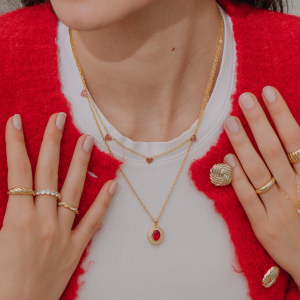
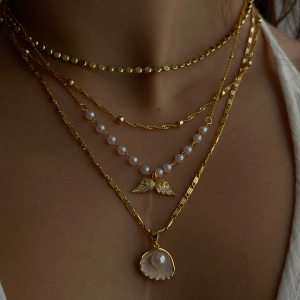
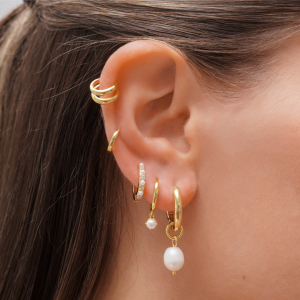
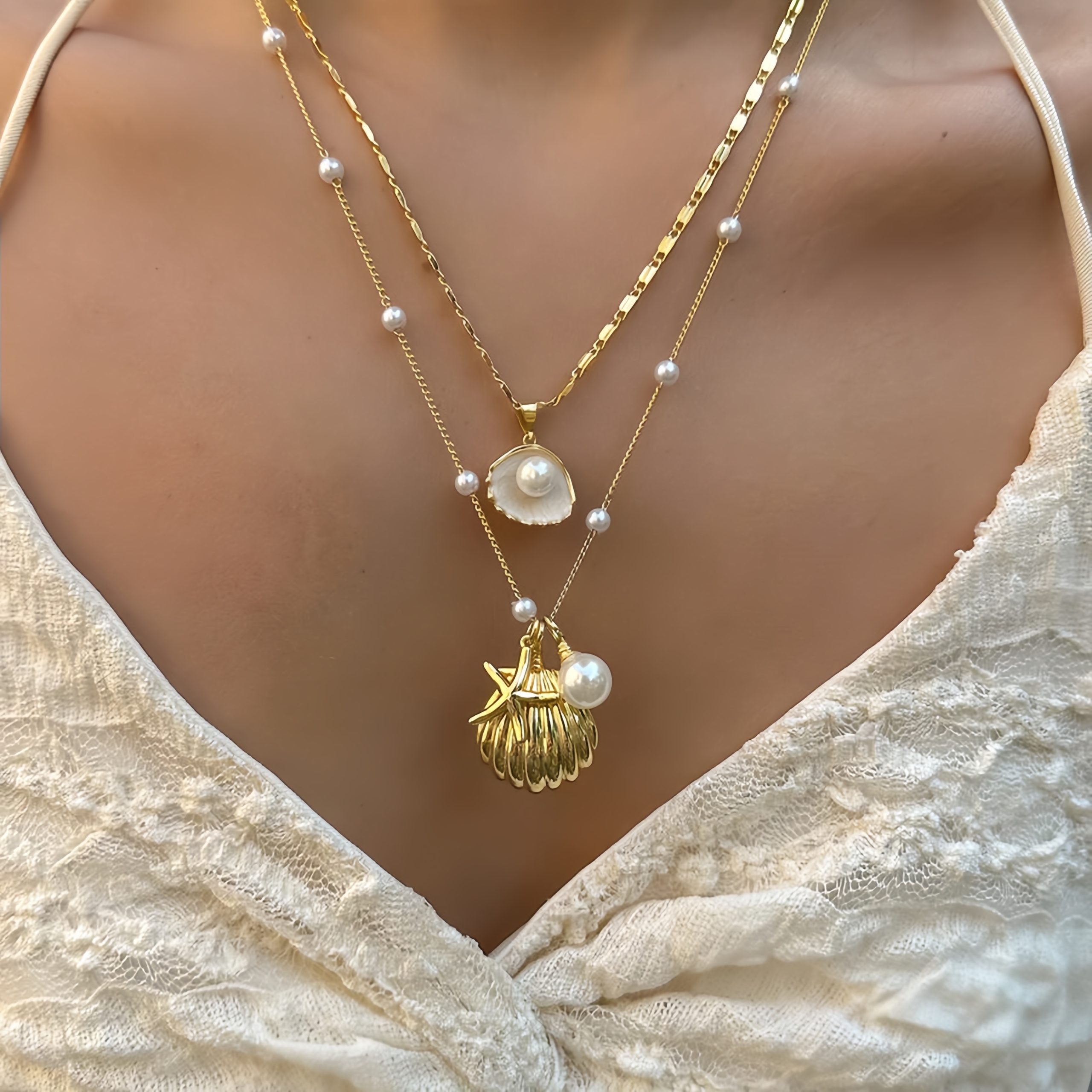
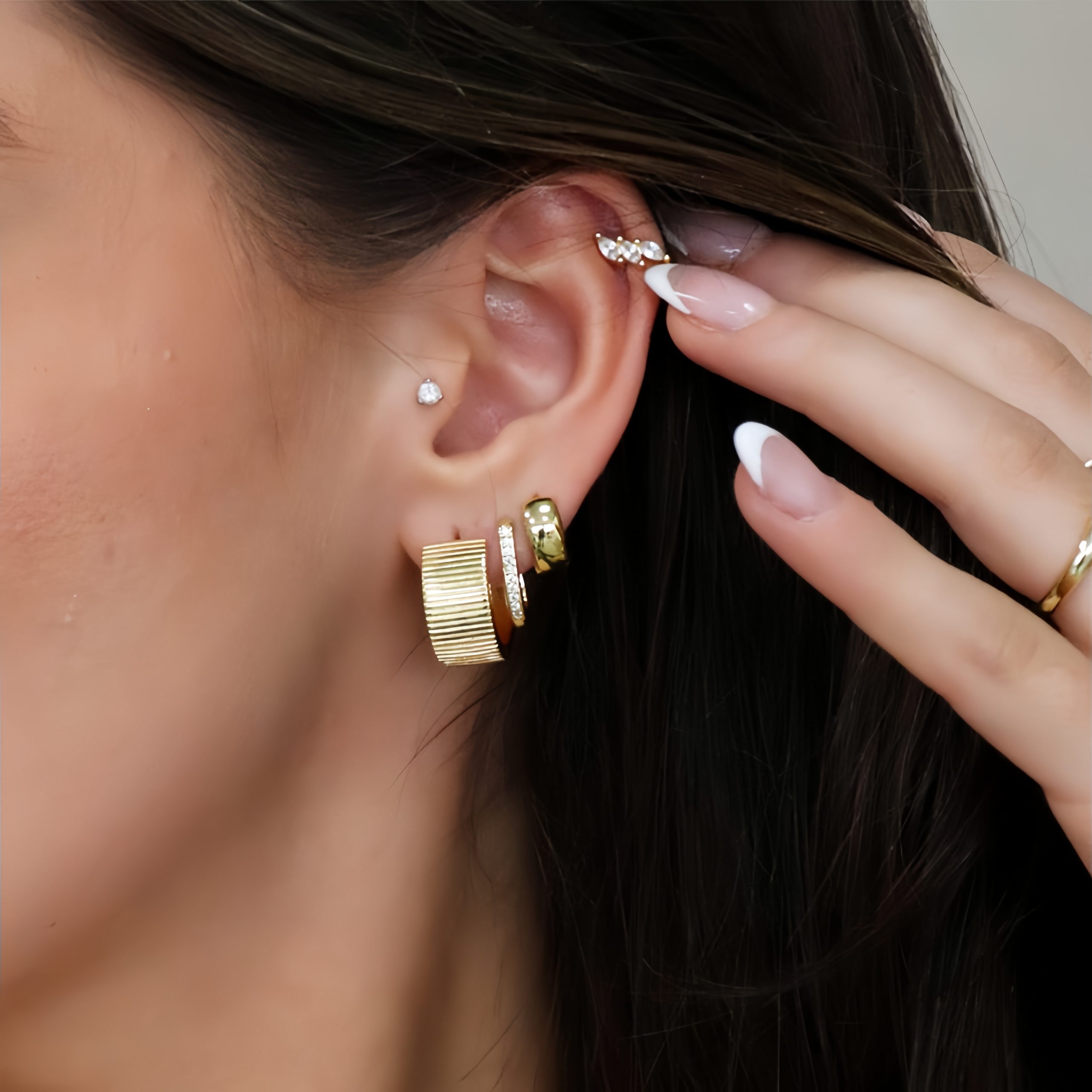
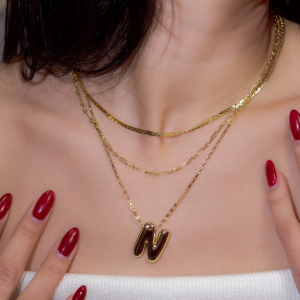
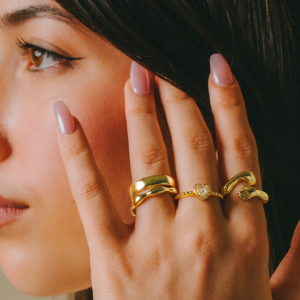
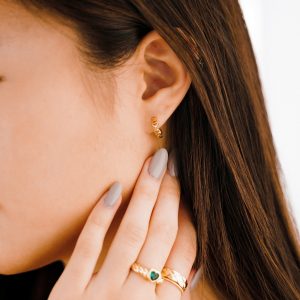
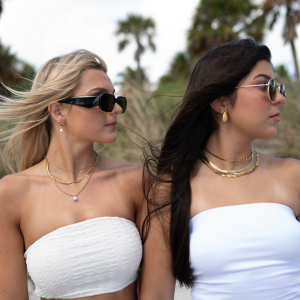
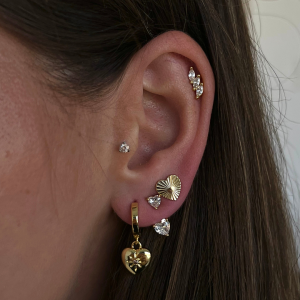
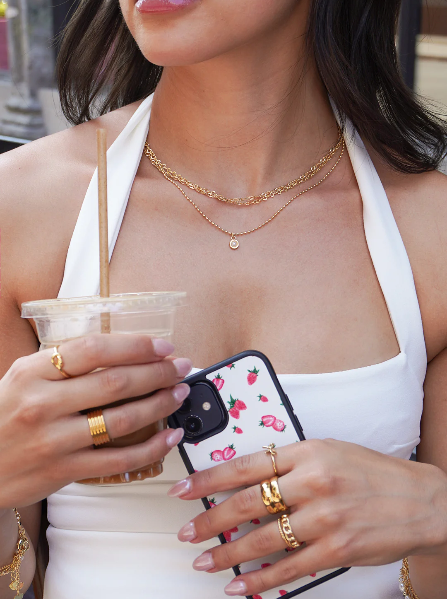
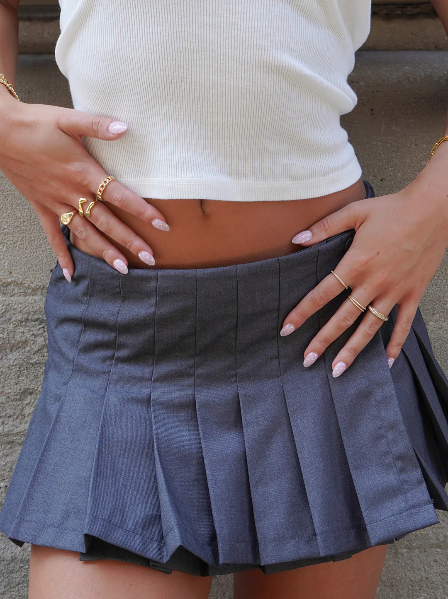
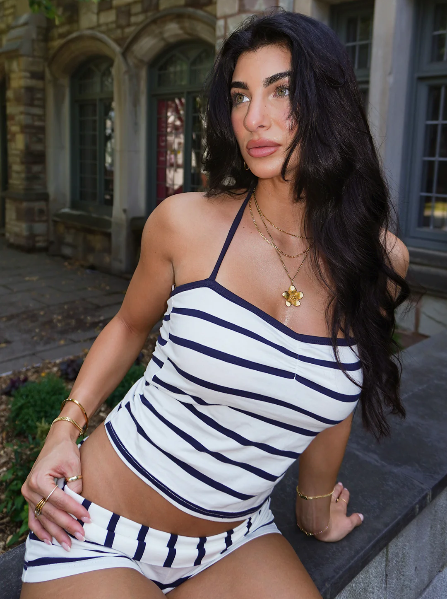
The placement and grouping of accessories also contribute to their expressive impact. The deliberate layering of necklaces, the careful stacking of rings, or the placement of a decorative lapel pin are all conscious acts of styling. This spatial arrangement creates a focal point, drawing the observer’s eye and controlling the visual narrative. The way these items are organized speaks volumes about the wearer’s attention to detail and their desire to curate their own image. In essence, the collection of small ornaments worn on the body functions as a personal, portable exhibition. Every choice—from the material texture to the color palette—is a carefully chosen word in the language of appearance. Thus, these tiny objects are crucial agents in the ongoing, public performance of self, serving as essential footnotes to the broader text of personal fashion.